
Physics-based protection for heat-transfer equipment.
Control scale, corrosion, and biological fouling by conditioning the equipment—not continuously changing the water chemistry.
Request a Technical System Review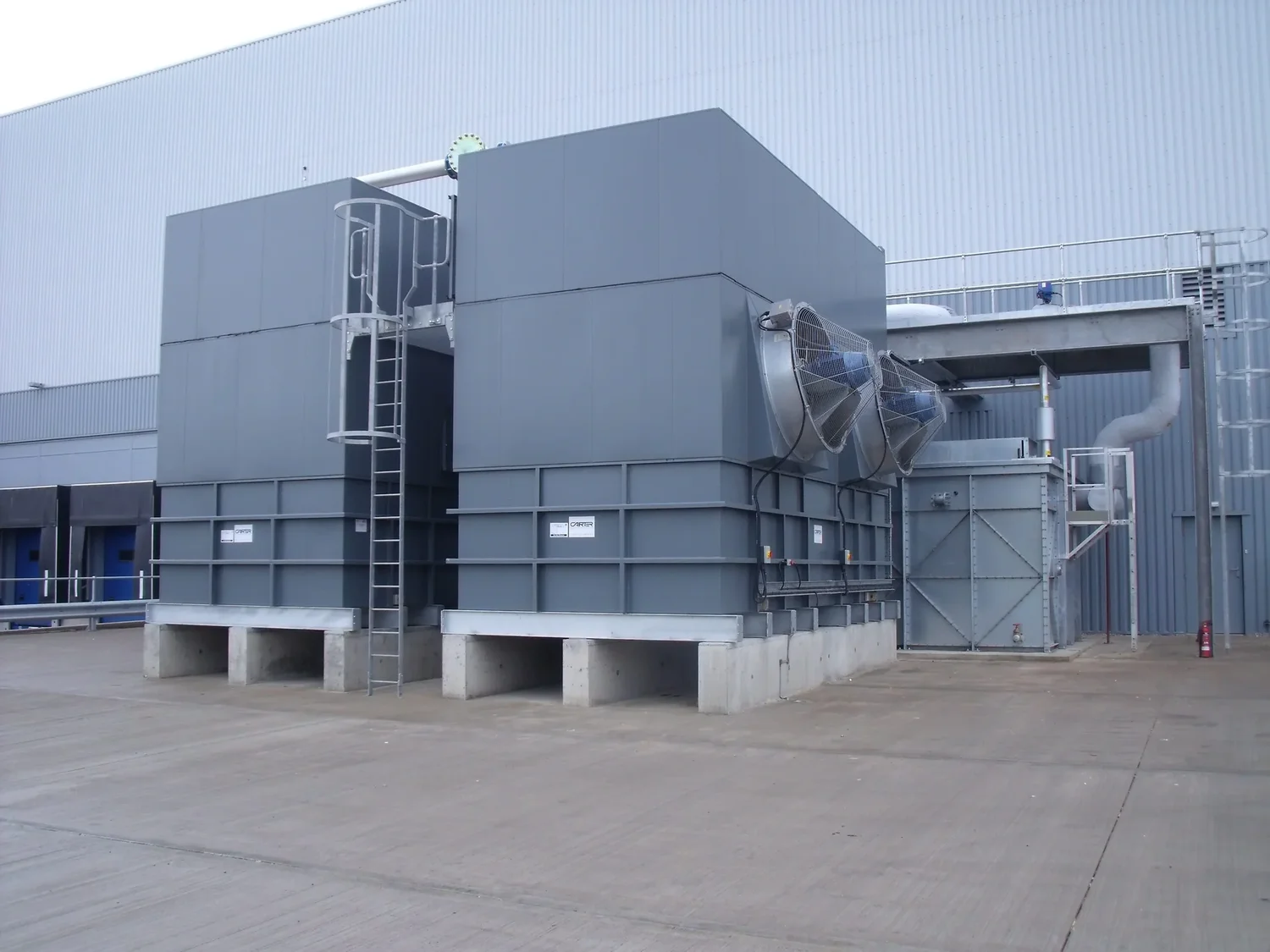
SFS treats the equipment—not the water.
Traditional programs manage scale, corrosion, and biological activity by repeatedly adjusting water chemistry. Scale Free Systems applies controlled physical and electrical conditions at the equipment level.
The objective is simple: keep destructive deposits from attaching to the surfaces that transfer heat.
Control the conditions that reduce equipment performance.
SFS addresses the connected physical mechanisms behind mineral deposition, metal deterioration, and biological fouling.
Prevent adhesion. Release existing deposits.
Precipitated minerals are encouraged to remain suspended or settle as removable solids instead of plating onto heat-transfer surfaces. Over time, existing deposits may loosen as the bonding conditions change.
Address corrosion at the electrical level.
The system is designed to control electrochemical activity associated with ion transfer and metal loss, helping reduce corrosion rates and protect equipment life.
Disrupt attachment and biofilm conditions.
Physical conditioning—and targeted ionization where specified—supports biological control by interfering with microbial attachment and the development of insulating biofilm.
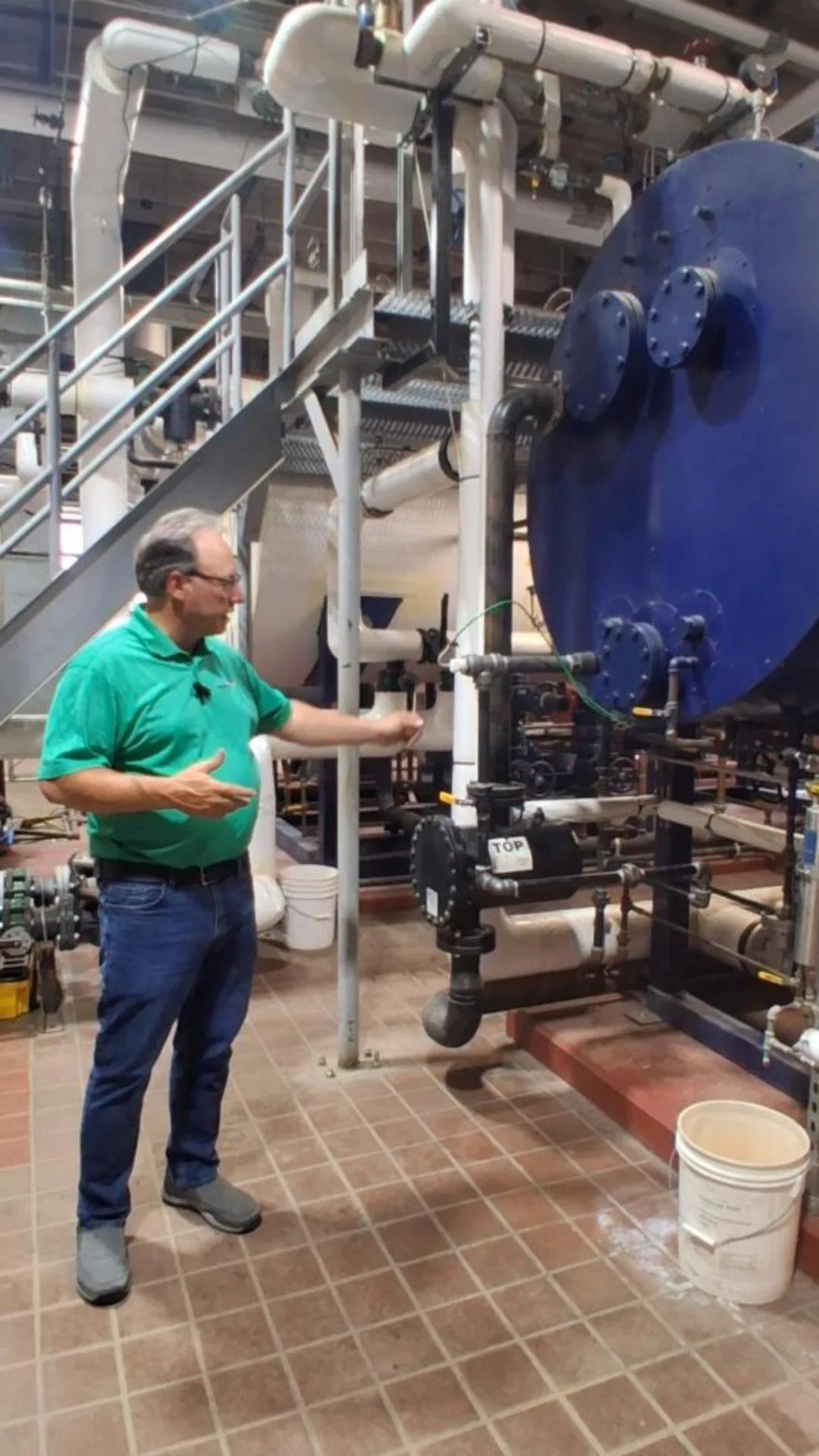
Engineered for the mechanical room—not the laboratory.
Every installation is reviewed around the actual equipment, metallurgy, piping, load profile, water characteristics, existing treatment, and facility objectives.
The controller is the center of a complete protection program.
SFS is not a passive magnet or a single external coil. It is an engineered system whose components are selected for the application.
SFS Controller
Provides controlled electrical conditioning and visible operating status for continuous equipment protection.
Configuration matters: not every installation requires every component. Final design follows the system review.
From continuously adjusting water chemistry to controlling equipment conditions.
Better environmental performance starts with better equipment performance.
SFS ties sustainability to measurable operating priorities—not vague green claims.
Performance must be verified—not assumed.
Results depend on equipment condition, system operation, water characteristics, maintenance practices, and the final SFS configuration.
What is reviewed before an SFS system is specified?
Equipment condition, metallurgy, piping, system volume, flow, load, water quality, current treatment, solids management, and the facility’s operating goals.
What happens to minerals that do not attach to surfaces?
They remain suspended or collect in lower-velocity areas and must be removed through the appropriate blowdown, filtration, separation, or cleaning strategy.
How is biological performance evaluated?
Through a site-specific inspection and testing program. SFS supports the water-management strategy but does not replace required safety plans, documentation, or applicable standards.
Can SFS be installed on existing equipment?
Many systems can be retrofitted. The correct configuration is determined only after reviewing the existing equipment and operating conditions.
Start with your equipment—not a generic treatment package.
Tell us what equipment you operate, how it is currently treated, and where performance is breaking down. We’ll identify the right next technical step.
-
![]()
Chiller
-
![]()
Cooling Tower
-
![]()
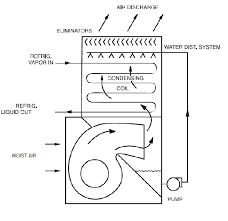
Evaporative Condensers
-
![]()
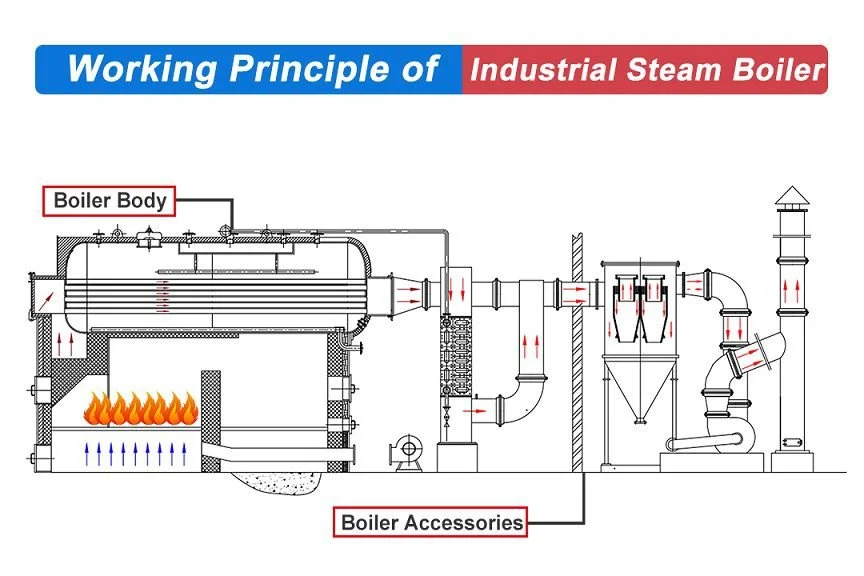
Boilers
-
![]()
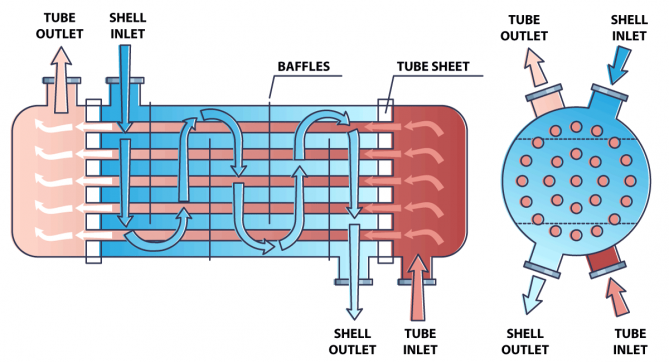
Heat Exchangers
-
![]()
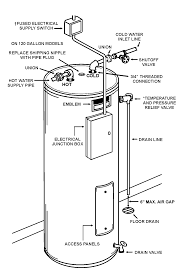
Commercial Hot Water Heaters
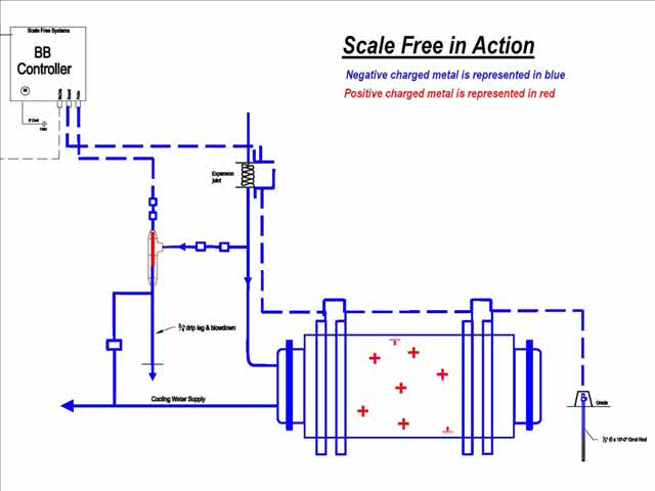
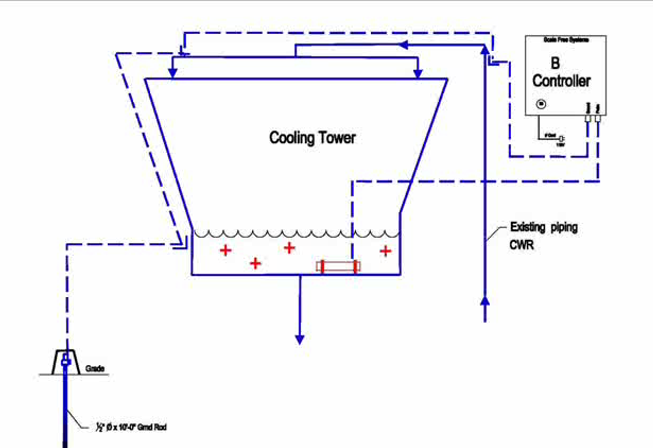
How Scale Free Works
-
1. Polarity Neutralization
The system's most fundamental principle is the neutralization of equipment surfaces. It creates a controlled electrical circuit that monitors and adjusts the potential electrical energy in the water.
The Process: By neutralizing pipes and equipment to the same polarity as the precipitated mineral scale, the system prevents the scale from "plating" or bonding to surfaces.
Physical Result: Instead of sticking to heat transfer surfaces, dissolved mineral molecules remain in a state of physical suspension within the water flow.
-
2. Kinetic Mineral Management
When water undergoes changes in temperature (
𝛥
𝑇
Δ
𝑇
), pressure (
𝛥
𝑃
Δ
𝑃
), or turbulence, minerals like calcium carbonate naturally precipitate out of solution.
Controlled Precipitation: Because the system has neutralized the attraction to metal surfaces, these precipitated minerals stay in the bulk fluid as a non-adherent powder.
Removal: These suspended solids either flow through the plumbing or settle in low-velocity areas (like a cooling tower basin), where they are removed via automatic blowdown or filtration.
-
3. Electrochemical Corrosion and Bio-Control
The system addresses more than just scale through additional physical mechanisms:
Electroporation: High-frequency pulsed electric fields can damage the cell walls of bacteria, rendering them inert without the use of chemical biocides.
Agglomeration: Small particles and bacteria are physically trapped within "seed crystals" formed during the treatment process, preventing them from reproducing or forming biofilm.
Alkaline Environment: By allowing the system to operate in a naturally alkaline state (beyond normal saturation) without scaling, it creates a physical environment that is inherently less corrosive to metals.
Scale Free Systems Patented Technology
Prevents and Reverses Scale Formation
Scale Free Systems prevents and reverses scale formation by applying the principles of physics to how minerals behave inside your equipment—not by altering water chemistry like traditional treatments. Instead of allowing dissolved minerals such as calcium and magnesium to bond to heat transfer surfaces, the system changes their physical state so they remain suspended in the water and are carried out of the system. Over time, this process not only stops new scale from forming but also breaks down and removes existing deposits, restoring heat transfer efficiency, improving system performance, and reducing energy consumption—all without the use of chemicals or ongoing treatment programs.
Controls Corrosion at its electrical source
Scale Free Systems controls corrosion at its source by addressing the electrical activity that drives it. Instead of relying on chemicals to slow corrosion after it begins, our technology uses applied physics to neutralize the electrochemical reactions occurring on metal surfaces. By stabilizing these electrical imbalances, Scale Free reduces the transfer of ions that cause metal deterioration—effectively slowing and in many cases halting corrosion before it can damage equipment. The result is longer asset life, reduced maintenance, and a more reliable, chemical-free approach to protecting critical HVAC systems.
Inhibits biological growth
Scale Free Systems inhibits biological growth by disrupting the conditions that allow bacteria, algae, and biofilm to develop inside heat transfer equipment—without the use of chemicals. By applying controlled electrical and physical forces within the system, our technology alters the environment that microorganisms depend on to survive and attach to surfaces. This prevents the formation of biofilm, which is a primary driver of inefficiency, fouling, and system degradation. Unlike traditional chemical biocides that require constant dosing and monitoring, Scale Free provides continuous, low-maintenance biological control that improves system cleanliness, enhances heat transfer performance, and reduces operational risk in cooling towers, chillers, and other water-cooled systems.
Improves heat transfer efficiency
Scale Free Systems improves heat transfer efficiency by preventing mineral scale from forming on heat exchange surfaces—where even a thin layer of buildup can significantly reduce thermal conductivity. By altering how dissolved minerals behave in the water, our technology keeps heat transfer surfaces clean and free of insulating deposits. This allows boilers, chillers, and cooling systems to operate at peak performance, reducing energy consumption, improving system output, and minimizing strain on equipment. The result is more consistent thermal performance, lower operating costs, and increased overall system efficiency—without the need for chemical cleaning or ongoing treatment programs.
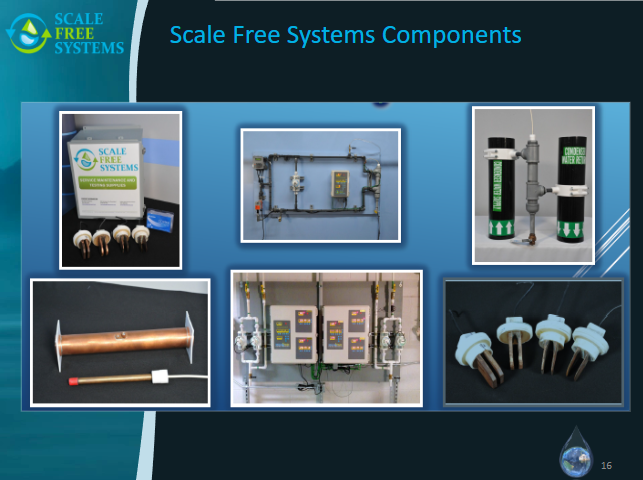
Advanced System Components for Chemical-Free Scale & Corrosion Control
Your cooling towers, chillers, and heat transfer systems deserve a solution engineered specifically to protect equipment — not just treat water.
Our proprietary technology doesn’t rely on adding chemicals to water.
Instead, it uses engineered componentry designed to neutralize the forces that cause scale, corrosion, and biological buildup inside your equipment — at the source.