
Physics—not chemistry
Physics-Based Water Treatment for Cooling Towers, Chillers & Boilers
Control scale, corrosion, and biological growth at the equipment surface—while reducing dependence on continuous chemical water treatment.
- Low maintenance
- Measurable control
- Site-specific design
The equipment is the target
Treat the conditions driving the problem—not just the water.
Scale and biofilm insulate heat-transfer surfaces. Corrosion weakens the equipment beneath them. The result can be higher operating costs, unstable performance, frequent cleaning, and shortened asset life.
Scale Free Systems takes an equipment-first approach. Its engineered components control physical and electrical conditions inside the system, where deterioration begins.
One coordinated system
Control the three threats to heat-transfer performance.
SFS combines equipment conditioning, application-specific components, monitoring, and ongoing service in one engineered program.
Scale Control
Helps prevent new mineral adhesion and supports the gradual release of existing deposits from heat-transfer surfaces.
Explore Scale Control →Corrosion Control
Controls equipment-level electrical conditions associated with corrosion to support longer asset life and reliability.
Explore Corrosion Control →Biological Control
Manages biological activity and biofilm using stabilized system conditions and targeted ionization where required.
Explore Biological Control →A different control strategy
Continuous equipment conditioning instead of continuous chemistry adjustment.
Conventional programs primarily manage circulating-water chemistry. SFS focuses on equipment surfaces and the physical conditions associated with deterioration.
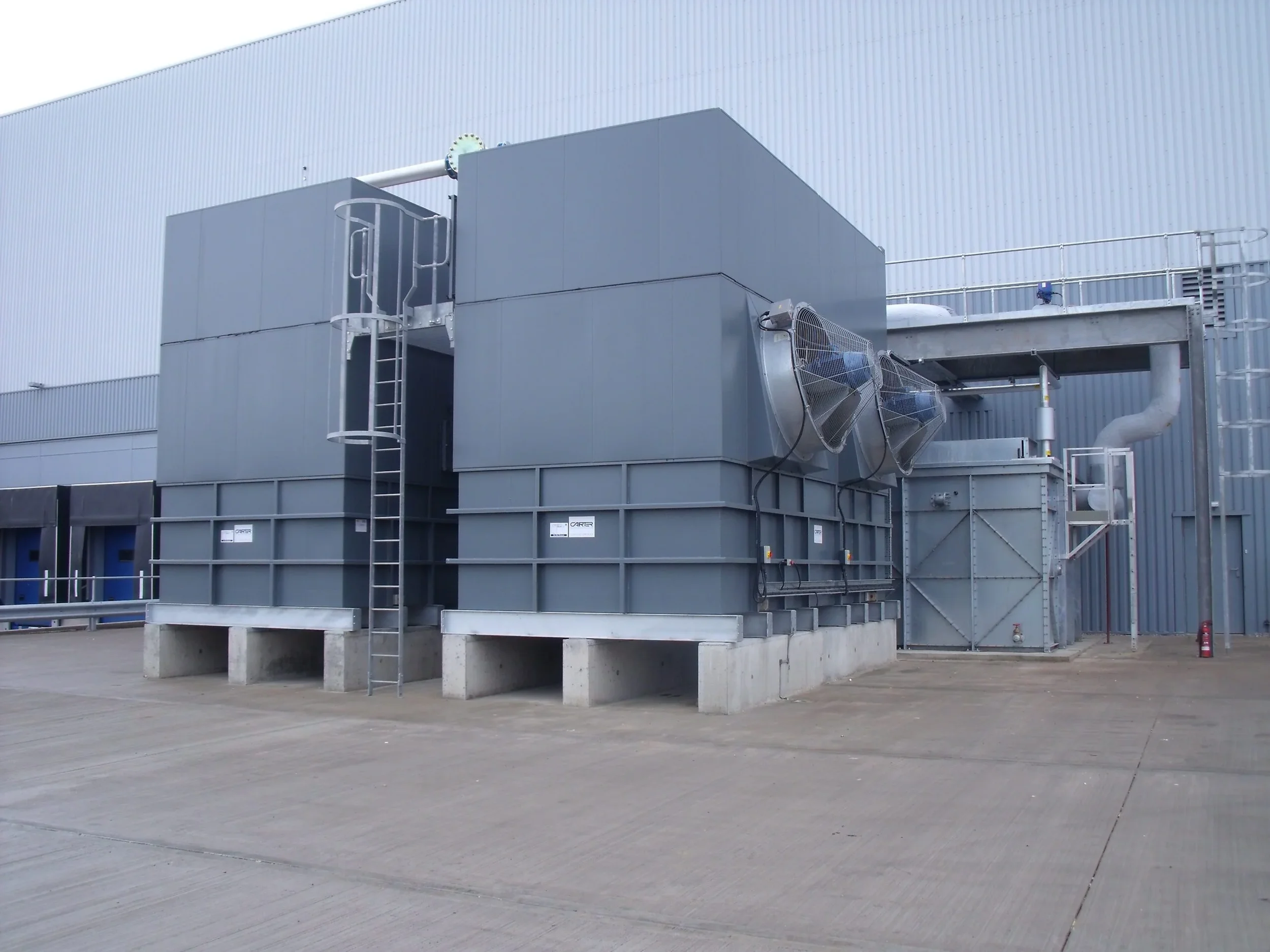
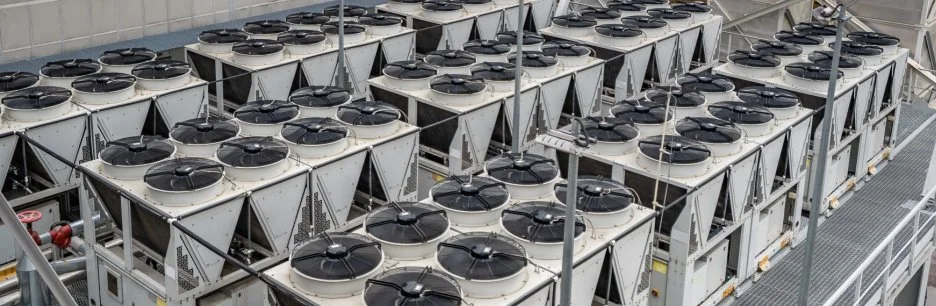
Equipment applications
Protection for mission-critical commercial and industrial systems.
Each application begins with the operating conditions of the facility—not a one-size-fits-all product selection.
- Cooling towers
- Chillers
- Boilers
- Heat exchangers
- Evaporative condensers
- Process cooling systems
From assessment to accountability
A water treatment program designed around your system.
Four clear stages turn site conditions into a monitored equipment-protection strategy.
- 01
System Analysis
Review equipment, water quality, operating conditions, existing treatment, and performance goals.
- 02
Application Design
Specify the appropriate controller, grounding, monitoring, and ionization components.
- 03
Professional Installation
Integrate SFS while coordinating with facility operations and mechanical teams.
- 04
Monitoring & Service
Track performance, confirm conditions, and maintain accountability through ongoing service.
Performance you can evaluate
Cleaner surfaces can change the economics of the entire system.
By addressing deposits, corrosion drivers, and biological fouling at the equipment level, facilities can pursue greater reliability, efficiency, and lifecycle value.
Outcomes are application-specific and depend on water quality, equipment condition, load profile, operating practices, and system design.
- Cleaner heat-transfer surfaces
- Improved operating efficiency
- Reduced water and energy waste
- Lower maintenance demands
- Reduced chemical dependency
- Longer equipment service life
Where SFS works
Built for facilities where uptime matters.
Serving facility managers, plant operators, building owners, mechanical contractors, and consulting engineers across the U.S.
Independently tested
Evidence belongs in the conversation.
One independently tested cooling-tower water sample from an SFS installation measured 329 CFU/mL. Testing is one part of a broader monitoring program; results vary by site and operating conditions.
Frequently asked questions
What engineers and facility teams want to know.
Clear answers about the technology, its applications, and how an SFS program is evaluated.
What is physics-based water treatment?
Physics-based water treatment controls the physical and electrical conditions associated with scale adhesion, corrosion, and biological activity. SFS applies this control at equipment and heat-transfer surfaces instead of depending only on continuous changes to water chemistry.
Is Scale Free Systems a magnet or external coil?
No. Scale Free Systems is an engineered, monitored equipment-protection program. It is not a passive magnet, water softener, or external signal coil.
Which HVAC systems can SFS protect?
Applications include cooling towers, chillers, boilers, heat exchangers, evaporative condensers, storage tanks, and other commercial or industrial heat-transfer equipment.
Can Scale Free Systems remove existing scale?
The system is designed to help prevent new mineral adhesion and may support gradual release of existing deposits. Results depend on equipment condition, water quality, operating conditions, and application design.
Can a facility reduce its chemical treatment program?
Chemical reduction or replacement is determined through a site-specific system analysis. Water quality, operating conditions, safety requirements, monitoring, and applicable regulations must all be evaluated.
Start with the system
Find out whether Scale Free Systems fits your facility.
Tell us what equipment you operate, what problems you are seeing, and what your current water treatment program requires.